Emotional Release
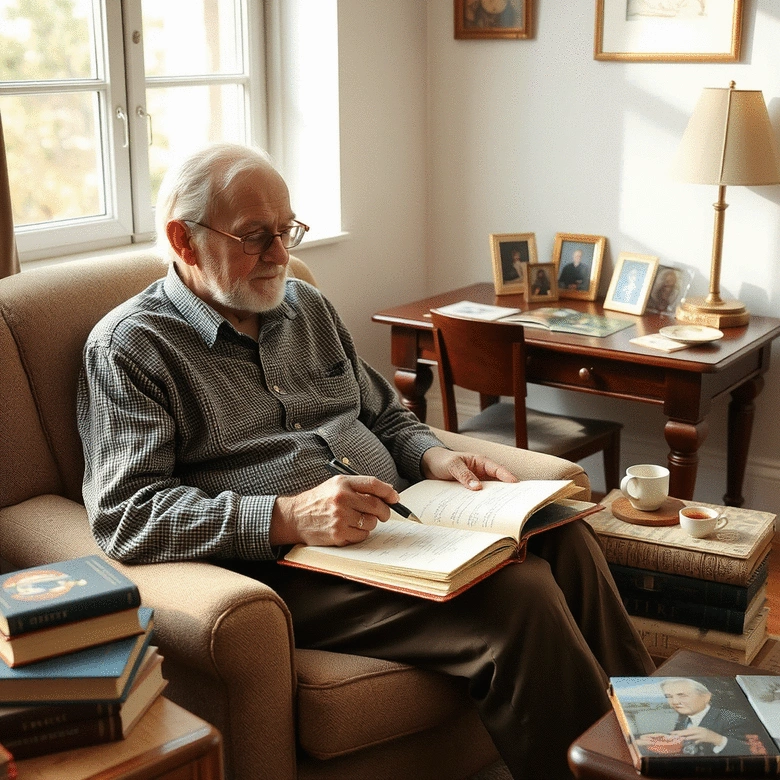
Writing allows seniors to express their feelings, providing a therapeutic outlet for emotions.
Have you ever considered how the stories of your past can shape your present and future? Storytelling is more than just recounting events; it’s a powerful tool for connection, healing, and legacy-building, especially for seniors. Let's explore how understanding narrative structure can transform your life experiences into impactful stories.
Engaging in storytelling provides numerous emotional and community benefits for seniors. The following visual highlights these advantages:
Writing allows seniors to express their feelings, providing a therapeutic outlet for emotions.
Sharing stories creates bonds, fostering deeper connections with family and friends.
Seniors can pass on valuable life lessons and insights, enriching younger generations.
Engaging in storytelling cultivates a sense of belonging within a supportive community.
At the Legacy Writers Guild, we believe that storytelling is a magical journey, especially for seniors. It opens up a world where memories can be shared and cherished, reminding us how important our life stories truly are. Understanding narrative structure is the first step in this journey, guiding us to weave our experiences into stories that can captivate and inspire others.
Narrative structure refers to the framework that organizes stories, helping us make sense of our experiences. It provides a roadmap, allowing us to connect various elements like characters, settings, and plots in a way that resonates with readers. When seniors grasp this concept, they find it easier to express their thoughts and emotions—turning ordinary moments into extraordinary tales! For more tips on how to structure your stories, explore our creative writing tips for seniors.
So, what exactly is narrative structure? In simple terms, it’s the way a story is organized. This structure includes key components like the beginning, middle, and end—each playing a crucial role in delivering a satisfying story. By understanding how to arrange these parts, seniors can share their life experiences more effectively.
The importance of this structure cannot be overstated. It helps us frame our narratives in a way that draws readers in, keeping them engaged throughout the journey. It’s about providing clarity while allowing our unique voices to shine through!
Writing stories is not just about creativity; it can also be incredibly therapeutic for seniors. Engaging with our memories can help promote emotional healing, improve cognitive skills, and even foster a sense of community. When we write, we connect with parts of ourselves that may have been dormant for a while, allowing us to reflect on our experiences.
Here are a few therapeutic benefits that come from storytelling:
At the Legacy Writers Guild, we see firsthand how empowering it is for seniors to articulate their stories. It’s a journey of self-discovery, embracing the past while creating narratives that can touch the hearts of others! If you're looking for prompts to help you get started, check out our memoir prompts for older adults.
When delving into storytelling, it’s essential to explore the various forms we can use. Each offers a different angle on how we can share our life experiences. Let’s take a closer look at three common forms:
Each of these forms has its own charm and can resonate with different audiences. By experimenting with them, seniors can find the format that feels most comfortable and authentic for their storytelling journey. Remember, your story is unique, and deciding how to tell it is part of the fun!
Did you know? Incorporating sensory details into your storytelling can significantly enhance the reader's experience. By describing sights, sounds, smells, tastes, and textures, you transport your audience into your world, making your stories more vivid and relatable. Try to engage the senses of your readers as you share your experiences—this will create a deeper connection and make your narratives unforgettable!
As we reach the end of our exploration into storytelling, it's essential to reflect on the profound emotional and community benefits this practice brings, especially for seniors. Through the art of narrative, individuals not only find a voice for their memories but also forge connections with others. Sharing experiences can lead to a greater understanding, foster empathy, and create a sense of belonging within the community.
Writing offers a unique outlet for emotions, allowing for self-discovery and healing. It’s like opening a treasure chest full of memories, each one inviting us to embrace our history. Have you ever felt lighter after sharing a cherished story? It’s a powerful reminder that our narratives can resonate with others, reminding us that we are never alone in our experiences.
Writing stories can lead to numerous benefits for seniors, both personally and collectively. Here’s a look at some key advantages that storytelling brings:
At the Legacy Writers Guild, we believe every story adds to the tapestry of our shared history. By embracing your unique experiences and sharing them, you contribute to a collective understanding that can bridge generational gaps and create a nurturing environment for all. Learn more about legacy writing and a senior's voice.
Storytelling is not just a one-time event; it's a journey worth continuing. By consistently writing and sharing your stories, you actively participate in building a legacy that can be cherished by future generations. Think about the stories you would want to pass down. What lessons do you want your family to remember? The answers to these questions can guide your ongoing narrative journey.
Consider these tips to keep your storytelling alive:
By nurturing your storytelling journey, you not only enrich your own life but also create a lasting impact on those around you. Stories are gifts that keep giving, and your voice is an essential part of that gift.
As you contemplate your next steps in storytelling, I invite you to embrace the resources and workshops available through the Legacy Writers Guild. We are dedicated to helping you weave your life experiences into beautiful, impactful narratives. The journey may seem daunting at times, but remember, you are not alone!
At the Guild, we offer a variety of workshops and resources to help guide your storytelling journey. Here are some ways you can get involved:
By taking part in these opportunities, you’ll discover the beauty of storytelling and the joy of sharing your legacy with others. Your stories matter, and at the Legacy Writers Guild, we’re here to help you tell them! Consider joining our fiction writing courses for seniors to further develop your craft.
To help you get started or continue your storytelling journey, we’ve created a simple narrative structure template for personal use. This template can serve as a guide to organize your thoughts and enhance your writing process:
Using this template can help streamline your writing process and ensure your stories are engaging and meaningful. Remember, each narrative is a piece of your legacy, and I encourage you to embrace this journey with open arms!
Here is a quick recap of the important points discussed in the article:
Evelyn Hartwell is the creative force behind Legacy Writers Guild, dedicated to empowering seniors to transform their life experiences into compelling narratives. With a profound understanding of storytelling's transformative power, Evelyn guides individuals in weaving their personal histories into rich, imaginative tales. She believes every life holds a story worth telling, fostering a supportive community where creativity and personal legacy flourish. Her passion ensures that unique voices are heard, preserving invaluable memories for generations.
At Legacy Writers Guild, we empower seniors to transform their life experiences into compelling narratives. Our mission is to help you craft rich, fictionalized accounts of personal history, fostering creativity and connection.
Online Community, Worldwide