
Strengthening Bonds
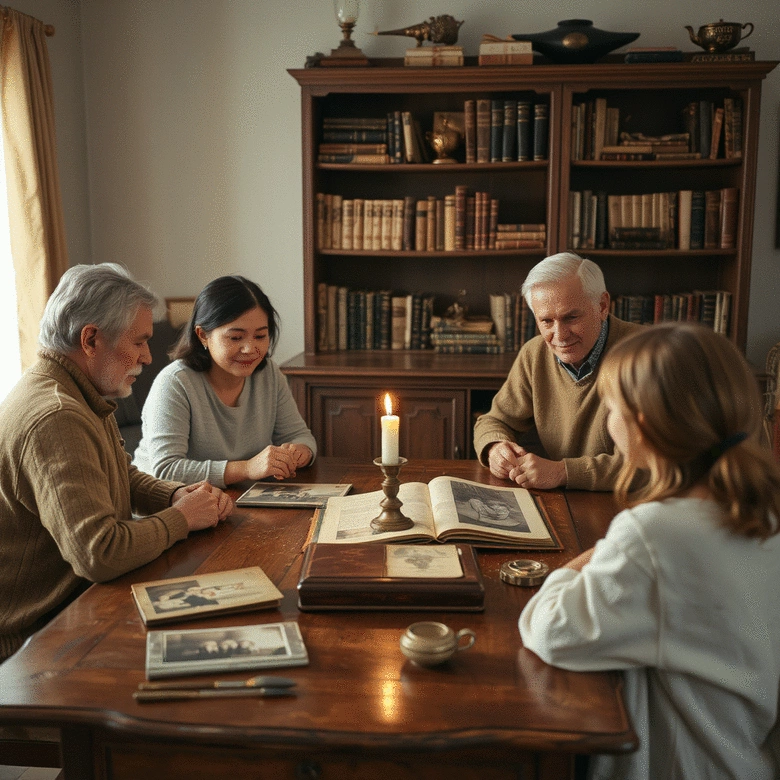
Family stories foster closeness among members, enhancing emotional ties.
Storytelling is more than just recounting events; it's a powerful means of connecting generations, preserving culture, and shaping identities. As family narratives are shared, they weave an intricate tapestry of heritage that enhances our sense of belonging. Let's explore the invaluable lessons that storytelling can offer to families seeking to preserve their legacies.
The following highlights the main emotional impacts of storytelling within families, showcasing their significance in preserving heritage and fostering connections.
Family stories foster closeness among members, enhancing emotional ties.
They help us understand our roots, shaping our family identity.
Stories often convey important morals and lessons that guide future generations.
Storytelling opens dialogues between generations, bridging gaps.
It fosters an environment of respect and attentiveness among family members.
Shared moments become cherished memories for all involved.
Storytelling is a powerful tool that helps us weave together the threads of our family history. At the Legacy Writers Guild, we understand how these narratives shape our identities and forge deep emotional connections. When we share our stories, we not only celebrate our past but also create a sense of belonging and continuity that can be felt across generations. For seniors looking to hone their narrative skills, consider exploring creative writing tips for seniors.
Have you ever paused to reflect on the significance of a family story? Perhaps it's that cherished tale of your grandparents' first meeting or the legends behind family heirlooms. These narratives are not just entertaining; they play a vital role in forming our family identity. Through them, we learn about our values, beliefs, and the experiences that have shaped our lineage.
Family narratives serve as a bridge connecting the past with the present. They help us comprehend where we came from and influence who we are today. By sharing these stories, we keep the memories of those who came before us alive, nurturing a sense of pride in our heritage.
As I engage with seniors through the Legacy Writers Guild, I see their eyes light up when sharing these narratives. Each story, whether filled with joy or hardship, adds to the rich tapestry of family history. It is through these tales that we connect with our relatives, past and present, reinforcing our emotional ties.
Storytelling is not just about recounting events; it’s about building relationships. When family members gather to share their tales, they create opportunities for connection that can transcend age gaps. Grandparents sharing their youth with grandchildren fosters understanding and empathy, while kids can introduce fresh perspectives that enrich these narratives. To learn more about crafting compelling narratives from your own life, check out our guide on crafting stories from life events.
At the Legacy Writers Guild, we encourage families to embrace storytelling as a way to cultivate these intergenerational bonds. The act of sharing stories can lead to heartwarming conversations, where laughter and tears alike strengthen the ties that bind us together.
Now that we've explored the emotional significance of storytelling, let's look at how we can practically capture these precious family histories. Whether through oral traditions, written documents, or multimedia approaches, there are various effective methods to ensure your family stories are preserved for generations to come.
Here's a brief recap of the key points discussed so far:
Here are some common questions about preserving family heritage through storytelling, based on the topics covered in this article:
As we look ahead, it's crucial to consider how we can keep family storytelling alive for generations to come. The Legacy Writers Guild believes that engaging younger family members in the art of storytelling not only preserves our heritage but also strengthens family bonds. By creating structured storytelling initiatives, we can provide a pathway for everyone in the family to share their narratives. For those interested in deeper insights, explore encouraging seniors to share stories.
One way to organize these initiatives is by setting up a tiered framework that invites participation at different levels. This allows family members of all ages to contribute in a way that feels comfortable and relevant to them. Here’s how you can create such a framework:
Turning family stories into published works or documentaries can not only preserve our histories but also create a lasting legacy. If you’re interested in sharing your family's narrative more widely, there are several avenues to explore. With the right approach, you can transform your stories into meaningful projects that others can enjoy!
Real-life examples can be a powerful source of inspiration! Take the Martinez family, for instance. They decided to document their family's rich history through a series of storytelling workshops facilitated by the Legacy Writers Guild. This initiative not only rekindled their family bonds but also allowed them to capture stories that had been passed down for generations.
Families like the Martinez's show us that storytelling can thrive when we actively engage with one another. Here’s what they did:
Today's technology offers incredible opportunities to enhance family storytelling through visual and multimedia elements. By incorporating various forms of media, we can create richer narratives that truly resonate with our audiences. Here are some ideas to get started:
Family reunions can be a treasure trove of storytelling opportunities! They provide a unique chance to gather everyone in one place, share stories, and preserve important memories. At the Legacy Writers Guild, we believe in using these gatherings to strengthen family ties through shared narratives. For more on how to create a lasting record of your loved ones' experiences, explore storytelling for lasting memories.
To make the most of your family reunion, consider the following activities:
As we wrap up, it’s vital to reflect on how storytelling can preserve our family heritage for years to come. By engaging future generations and utilizing various creative methods, we can ensure that these stories remain alive. They connect us, inspire us, and serve as a bridge to our collective past. To delve deeper into recording your family's journey, consider these steps for documenting your family history.
I encourage you to take the first step in documenting your family narratives today! Whether it's through writing, recording, or even just sharing at family gatherings, your stories matter. Join us at the Legacy Writers Guild as we celebrate the beauty of storytelling and empower each other to weave our legacies into artful narratives.
Here is a quick recap of the important points discussed in the article:
Evelyn Hartwell is the creative force behind Legacy Writers Guild, dedicated to empowering seniors to transform their life experiences into compelling narratives. With a profound understanding of storytelling's transformative power, Evelyn guides individuals in weaving their personal histories into rich, imaginative tales. She believes every life holds a story worth telling, fostering a supportive community where creativity and personal legacy flourish. Her passion ensures that unique voices are heard, preserving invaluable memories for generations.
At Legacy Writers Guild, we empower seniors to transform their life experiences into compelling narratives. Our mission is to help you craft rich, fictionalized accounts of personal history, fostering creativity and connection.
Online Community, Worldwide