
Unblocking Creativity for Older Writers
As we age, the creative process can encounter unique hurdles. Understanding these challenges is key to unlocking our storytelling potential. Here’s a look at how recognizing and addressing writer’s block can enhance creativity and emotional well-being.
What You Will Learn
- Identifying Symptoms: Learn to recognize common signs of writer's block in older adults, such as memory lapses and lack of motivation.
- Emotional Benefits: Discover how writing can serve as a therapeutic tool to process thoughts and enhance mental well-being.
- Community Engagement: Understand the importance of joining creative groups for motivation, support, and inspiration.
- Creating a Writing Space: Explore tips for designing a comfortable and inspiring writing environment that fosters creativity.
- Art Therapy Benefits: Learn how workshops can provide emotional support and develop writing skills while combating writer's block.
- Success Stories: Gain inspiration from testimonials of senior authors who have successfully navigated their creative challenges.
Impact of Writer's Block on Seniors
Understanding the effects of writer's block on older adults can clarify the importance of addressing these challenges. For more insights on how to tackle these issues, consider exploring conquering writer's block in seniors.
Symptoms of Writer's Block
- Difficulty recalling ideas
- Lack of enthusiasm
- Physical fatigue
- Frustration
Benefits of Overcoming Writer's Block
- Boosts self-esteem
- Enhances cognitive function
- Encourages self-expression
Engagement in Creative Community
- Motivation from peers
- Accountability for goals
- Inspiration from different styles
Art Therapy and Workshops
- Opportunities for expression
- Builds social connections
- Enhances skills in writing
Navigating Creative Challenges: Understanding Writer's Block in Elderly Creatives
Writer's block can be quite challenging for anyone, but for older adults, it may feel even more daunting. As we age, we might notice some common signs creeping in, like difficulty focusing, a lack of motivation, or even physical limitations that hinder our writing process. It's important to recognize these symptoms so we can address them effectively and get back to sharing our stories.
Additionally, cognitive decline can play a role in writer's block for seniors. Things like memory lapses or slower processing speeds can make it tough to get words onto the page. By identifying these challenges early on, we can take steps to overcome them, allowing our creative juices to flow freely once again.
Identifying Writer's Block in Older Adults
Understanding what writer's block looks like in older adults can help us better navigate these creative challenges. Some common indicators include:
- Difficulty recalling ideas: Struggling to remember what you wanted to write about.
- Lack of enthusiasm: Feeling unmotivated or disinterested in writing.
- Physical fatigue: Experiencing discomfort that makes it hard to sit and write.
- Frustration: Feeling stressed about writing or worrying about the quality of your work.
If you notice these signs in yourself or someone you care about, it might be time to explore ways to overcome these hurdles. Remember, it’s okay to seek help or adjust your writing practices as needed! Don't miss our creative writing tips for seniors to keep your inspiration flowing.
The Importance of Addressing Writer's Block for Seniors
Overcoming writer's block is crucial for mental health and overall well-being, especially in our later years. When we allow ourselves to write freely, we not only engage in a creative outlet but also experience a range of emotional benefits. Writing can serve as a therapeutic tool, helping us process our thoughts and feelings.
Additionally, conquering writer's block can enhance social connections by enabling us to share our stories with others. Within the Legacy Writers Guild, we foster a community that encourages seniors to break free from these blocks, ultimately leading to a more fulfilling and connected life.
- Boosts self-esteem: Completing a writing project can boost confidence.
- Enhances cognitive function: Writing regularly can help keep the mind sharp.
- Encourages self-expression: It's a way to communicate thoughts and emotions.
By tackling writer's block head-on, we not only enrich our own lives but also contribute to the wider community through shared experiences and stories. This connection is at the heart of the mission we embrace at the Legacy Writers Guild.
Pro Tip
Did you know? Setting small, achievable writing goals can significantly reduce the pressure that leads to writer's block. Instead of aiming to complete an entire chapter, try writing just one paragraph a day. This approach can help you build momentum and regain your confidence in your writing abilities.
Frequently Asked Questions About Overcoming Writer's Block
Here are some common questions about writer's block, particularly for older adults, and how to address them effectively.
- Q: What are the common symptoms of writer's block in older adults?
- A: Common symptoms include difficulty recalling ideas, lack of enthusiasm, physical fatigue, and feelings of frustration. These can be exacerbated by cognitive changes associated with aging.
- Q: How can writing benefit mental well-being for seniors?
- A: Writing serves as a therapeutic tool, helping seniors process thoughts and emotions, boost self-esteem, enhance cognitive function, and encourage self-expression. It can also lead to increased social connections.
- Q: Why is community engagement important for overcoming writer's block?
- A: Joining writing groups or workshops provides motivation, accountability, and inspiration. It allows seniors to share stories, receive feedback, and connect with like-minded individuals, fostering a supportive environment.
- Q: What role do art therapy and creative workshops play?
- A: These programs offer opportunities for emotional expression, social interaction, and skill development. They help seniors explore new writing techniques and find joy in the creative process, which can effectively combat writer's block.
- Q: What makes an ideal writing space for seniors?
- A: An ideal writing space should be well-lit (preferably with natural light), comfortable (with a good chair and desk), and inspiring. Surrounding oneself with motivating items like photos, books, or quotes can also enhance creativity.
Engaging with the Creative Community
Engagement with a creative community can be a powerful catalyst for overcoming writer's block. For seniors, participating in writing groups or workshops can foster motivation and create a sense of accountability. These supportive environments allow elderly creatives to share their stories, receive feedback, and connect with like-minded individuals who understand the unique challenges they face. You might also find inspiration in exploring fiction writing courses for seniors.
One of the most rewarding aspects of joining a community is the exchange of ideas and experiences. Here, members can encourage each other, celebrate small victories, and provide constructive feedback. This interaction can spark inspiration, helping to break the barriers that writer's block often creates.
The Value of Feedback and Support among Peers
Feedback from peers plays a critical role in the creative process. It helps writers refine their craft and gain new perspectives on their work. In a supportive writing group, seniors can experience firsthand the benefits of collaboration. Here are some ways feedback and support can enhance the creative journey:
- Motivation: Regular meetings provide a schedule, encouraging writers to commit to their craft.
- Accountability: Sharing work with others can inspire seniors to set goals and meet deadlines.
- Inspiration: Hearing different styles and ideas can ignite new creative thoughts and approaches.
At the Legacy Writers Guild, we emphasize the importance of building a nurturing community. When seniors share their unique life stories, they often find that their experiences resonate with others, sparking deeper conversations and connections. Learn more about crafting stories from life's moments.
Sharing Success Stories: Testimonials from Senior Authors
Success stories from fellow writers can serve as powerful motivators. Learning about how others have overcome similar obstacles can inspire seniors to keep pushing through their own writer's block. Here are some highlights from senior authors who have triumphed over their creative challenges:
- Margaret: After joining a local writing group, she found her voice again and completed her memoir.
- Henry: He discovered the joy of storytelling through workshops, turning his weekly writing sessions into a cherished routine.
- Joyce: By sharing her poetry at open mic nights, she gained confidence and reconnected with her passion for writing.
These testimonials reflect the transformative power of community engagement at the Legacy Writers Guild. When we hear these stories, it reminds us that no one has to navigate their creative journey alone!
Exploring Art Therapy and Creative Workshops
Art therapy and creative writing workshops can offer extraordinary benefits to seniors. These programs are designed to unleash creativity while also addressing emotional well-being. Here are some advantages of participating in such workshops:
- Expression: Seniors can express their feelings and experiences in a safe space.
- Social Interaction: Workshops provide opportunities to meet new people and build friendships.
- Skill Development: Participants can learn new writing techniques and enhance their storytelling abilities.
Engaging in these activities not only helps in overcoming writer's block but also fosters a sense of accomplishment and joy in the creative process. Discover more about online writing workshops for seniors which offer flexibility and accessibility.
Fostering a Supportive Environment for Creativity
Creating a Comfortable Writing Space
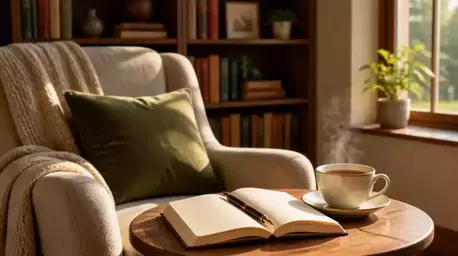
Having a dedicated writing space can greatly enhance creativity and focus. Here are some tips for designing an inspiring and accessible writing environment at home:
- Lighting: Choose a well-lit space, preferably near a window where natural light can flow in.
- Comfort: Use a comfortable chair and desk setup to make writing enjoyable.
- Inspiration: Surround yourself with items that inspire you, like photos, books, or quotes.
At the Legacy Writers Guild, we believe that creating a nurturing environment can significantly impact the writing experience. A cozy, inviting space allows the imagination to flourish!
Call to Action: Join the Conversation
Now, I encourage you to share your own experiences and tips for overcoming writer's block. What strategies have worked for you? Let's build a community where we uplift one another on our creative journeys! You can also check out our upcoming events and resources designed specifically for elderly creatives. Together, we can inspire each other to tell our stories, one word at a time!
Recap of Key Points
Here is a quick recap of the important points discussed in the article:
- Identifying Writer's Block: Common signs include difficulty recalling ideas, lack of enthusiasm, physical fatigue, and frustration.
- Importance of Addressing Writer's Block: Overcoming it boosts self-esteem, enhances cognitive function, and encourages self-expression.
- Engagement with Community: Joining writing groups fosters motivation, accountability, and inspiration among seniors.
- Value of Peer Feedback: Constructive feedback helps refine writing skills and ignites new creative ideas.
- Benefits of Creative Workshops: Art therapy and writing workshops provide emotional expression, social interaction, and skill development.
- Creating a Supportive Environment: A comfortable writing space with good lighting and inspiring decor enhances creativity.