
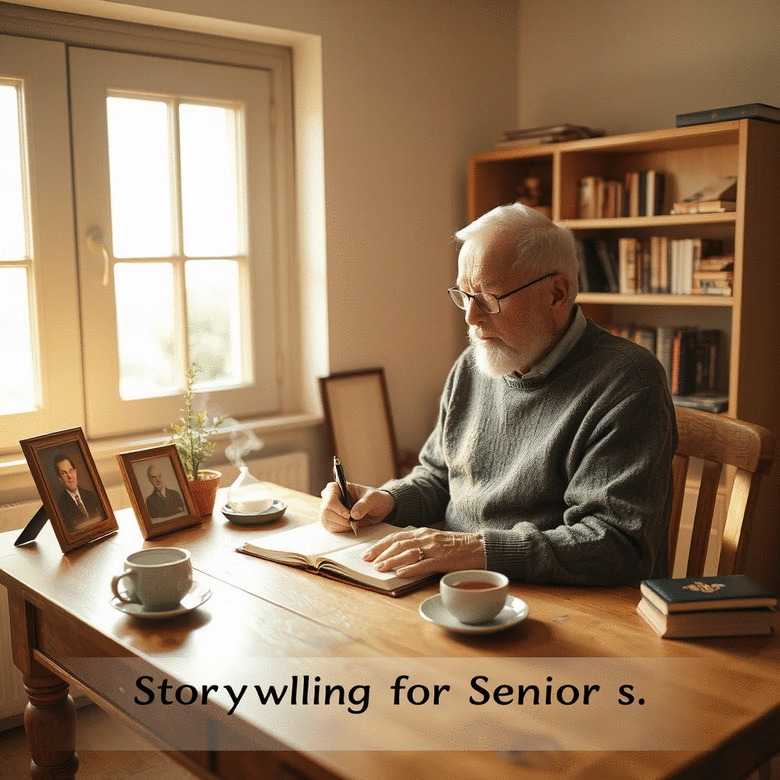
Enhances Cognitive Function
Writing stimulates the brain and helps maintain mental sharpness.
Storytelling is not just a creative outlet; it is a powerful tool for connection, healing, and legacy-building, especially for seniors. By sharing their narratives, older adults can inspire others and preserve their life stories for future generations.
Exploring the advantages that storytelling brings to older adults across various dimensions:
Writing stimulates the brain and helps maintain mental sharpness.
Sharing stories can relieve stress and promote healing.
Documenting experiences creates a lasting treasure for future generations.
Sharing personal stories can strengthen bonds with family and friends.
Storytelling is more than just putting words on a page; it's a bridge connecting our past with our present. For seniors, sharing their stories can be a powerful way to reflect on the richness of their experiences. At the Legacy Writers Guild, we believe that every life is a tapestry woven with moments worth sharing, and these narratives can inspire others while preserving personal legacies.
As we dive into the world of storytelling, we uncover its significant role in helping older adults articulate their memories. Writing allows them to explore their thoughts and feelings, which can be both a cathartic experience and a delightful journey into self-discovery. Imagine sitting down with a warm cup of tea, pen in hand, and reflecting on the moments that shaped who you are today! For more ideas, explore some creative writing tips for seniors.
Writing stories matters for older adults for several reasons. Firstly, it fosters a sense of purpose and accomplishment. When seniors engage in storytelling, they feel valued and connected to their community. This connection can combat feelings of isolation and loneliness that often accompany aging.
Additionally, storytelling serves as a vehicle for self-expression, allowing seniors to articulate their memories and life lessons. Here are a few reasons why writing is especially beneficial:
Memory is a precious gift, and for many seniors, it's vital to preserve their stories for future generations. By documenting their lives, they contribute to a family history that can be cherished and passed down. This act of sharing not only affirms their existence but also fosters a sense of pride in their journey.
At the Legacy Writers Guild, we encourage seniors to tap into their memories as they write. Here are some ways they can begin preserving their legacies:
Writing a memoir or autobiography can be a deeply reflective journey. For seniors, these forms of storytelling allow them to examine their lives from a unique perspective. As they delve into their past, they often discover hidden strengths and insights that contribute to their self-identity.
Here are some benefits of engaging in memoir or autobiography writing:
At the Legacy Writers Guild, we encourage seniors to embrace this path of storytelling, empowering them to transform their experiences into narratives that resonate with others. Embracing creativity is a wonderful way to leave a lasting impact! You can find more inspiration on writing your first memoir.
Here's a brief recap of the key points discussed so far:
A: Storytelling helps seniors connect their past with their present, fosters a sense of purpose, combats isolation, enhances cognitive function, boosts emotional well-being, and allows for the preservation of their legacy.
A: Writing stimulates the brain, helping to maintain mental sharpness and potentially improving memory recall and processing skills.
A: Seniors can preserve their stories through journaling, creating timelines of major life events, and recording oral histories with family and friends.
A: Yes, there are several monetization opportunities, including freelance writing, offering workshops and classes, and engaging in affiliate marketing through blogs.
A: Writing memoirs or autobiographies allows seniors to examine their lives from a unique perspective, leading to greater self-awareness, strengthening bonds with loved ones, and inspiring others through their experiences.
At the Legacy Writers Guild, we truly believe that storytelling is a journey that can last a lifetime. Encouraging seniors to pursue writing not only helps them document their experiences but also brings a sense of purpose and fulfillment. Who wouldn’t want their stories to shine? By sharing their narratives, older adults can inspire others while achieving personal recognition for their creative efforts!
There are numerous ways to embrace this writing journey. Let’s explore how seniors can publish their stories, monetize their skills, and engage with the vibrant world of blogging and social media. Each of these avenues opens doors for creativity, connection, and the celebration of life’s rich tapestry.
When seniors take the leap to publish their stories, they often find a newfound sense of accomplishment. There are various platforms available to help them share their work, whether it’s through traditional publishing, self-publishing, or online platforms. Here’s a quick look at some popular avenues for sharing stories:
Each of these options provides a unique opportunity for seniors to connect with a larger audience while celebrating their life stories. Isn’t it exciting to think of the impact they can make? Learn more about empowering stories and tips for seniors.
Writing is not just a creative outlet; it can also be a source of income! For seniors looking to turn their passion into profit, there are several monetization opportunities to consider:
Finding ways to monetize writing not only enhances the creative process but also brings a sense of accomplishment. It’s wonderful to think about how these stories can not only inspire but also provide financial rewards!
In today’s digital age, blogging and social media have become powerful platforms for storytelling. These tools allow seniors to reach broader audiences and engage with readers in dynamic ways. Here are some ways to harness the power of digital storytelling:
It's truly amazing how technology can enhance storytelling and create communities of like-minded individuals. With the Legacy Writers Guild, we aim to provide seniors with the confidence and tools to explore these modern avenues! Discover more about how storytelling shapes aging and legacy.
Creating structured writing programs can significantly enhance the writing experience for seniors. As someone who is passionate about empowering others through storytelling, I understand the need for accessible resources! So, let’s look at how to implement effective writing initiatives tailored specifically for seniors.
These programs can spark creativity and camaraderie among participants, making the writing process more enjoyable and meaningful.
When it comes to implementing writing programs, there’s no need for a hefty budget! Here are some budget-friendly resources that can make a big impact:
Being resourceful is key, and the joy of storytelling can be shared without the need for extensive financial investment!
Working alongside senior centers and caregivers can enhance the reach of writing programs. Collaboration can lead to a supportive environment that encourages creativity. Here are a few benefits of these partnerships:
By working together, we can create more comprehensive and impactful writing programs that truly resonate with seniors.
Finally, hosting writing workshops and classes can create an engaging community of writers among seniors. These sessions provide structure while fostering creativity. Here’s how to get started:
At the Legacy Writers Guild, we’re committed to offering resources and support to help seniors find their voice through writing. Together, let’s make storytelling an enriching part of every senior’s life! For more insights, you might be interested in online writing workshops for seniors.
Writing is more than just putting words on paper; it’s a pathway to connection and healing. For seniors, storytelling can foster relationships, build community, and even improve emotional well-being. Through writing, they can reflect on their life journeys and share their unique perspectives, cultivating a sense of belonging.
Encouraging ongoing participation and exploration in writing is essential. As we continue our mission at the Legacy Writers Guild, I invite all seniors to dive into the world of storytelling. Together, let’s celebrate the richness of our experiences and inspire one another through the power of words!
Here is a quick recap of the important points discussed in the article:
Evelyn Hartwell is the creative force behind Legacy Writers Guild, dedicated to empowering seniors to transform their life experiences into compelling narratives. With a profound understanding of storytelling's transformative power, Evelyn guides individuals in weaving their personal histories into rich, imaginative tales. She believes every life holds a story worth telling, fostering a supportive community where creativity and personal legacy flourish. Her passion ensures that unique voices are heard, preserving invaluable memories for generations.
At Legacy Writers Guild, we empower seniors to transform their life experiences into compelling narratives. Our mission is to help you craft rich, fictionalized accounts of personal history, fostering creativity and connection.
Online Community, Worldwide